Perl2exe executables are perl programs embedded inside the executable wrapper that allows making the script ‘portable’ and easy to execute without a need of installing any perl interpreter.
It turns out that the way it loads things is kinda ‘open-minded’ i.e. it tries to look for loadable stuff all over the place – because of this ‘feature’ it is possible to abuse it and create yet another (bizarre) persistence mechanism (actually, plenty of them).
As an example, we can look at a very old hdd.exe perl2exe program – I got it from a friend back in a day – it display info about the HDD properties. Running it under procmon shows a lot of interesting artifacts related to files and directories that are… not found on the system.
For the sake of the demonstration, I will show only 2 hijacks, but if you browse through the log below you will find a lot of other potential phantom file names and directories that could be abused this way.
Example #1
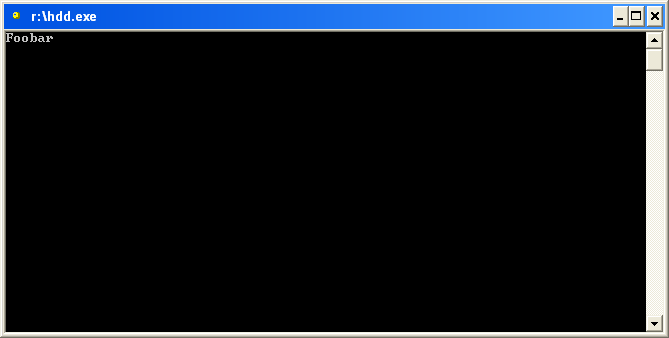
Creating a ‘(null)’ directory in the same place where the perl2exe file is executed and dropping a sitecustomize.pl perl script inside it will lead to the perl script being executed when perl2exe is launched:
- (null)\sitecustomize.pl containing just a simple line
- print “Foobar\n”;
Example #2
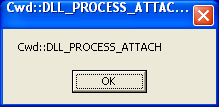
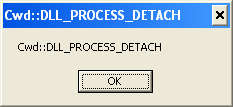
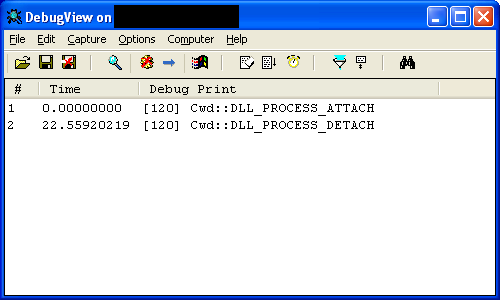
You can create f.ex. PERL2EXE_STORAGE\auto\Cwd\Cwd.dll – while it is perl2exe-specific module (since it requires CWD module to be used), it’s quite a popular module anyway so it could be a good target:
 And in debug view:
 Last, but not least – the (edited) log…
CreateFile                    %USERPROFILE%\Local Settings\Temp\p2xtmp-1736
CreateFile                    %SCRIPT_PATH%\PERL2EXE_STORAGE\5.8.8\MSWin32-x86-multi-thread
CreateFile                    %SCRIPT_PATH%\PERL2EXE_STORAGE\5.8.8\
QueryOpen                     %SCRIPT_PATH%\PERL2EXE_STORAGE\5.8.8\MSWin32-x86-multi-thread
CreateFile                    %SCRIPT_PATH%\PERL2EXE_STORAGE\5.8.8
CreateFile                    %SCRIPT_PATH%\PERL2EXE_STORAGE
QueryOpen                     %SCRIPT_PATH%\PERL2EXE_STORAGE\5.8.8
CreateFile                    %SCRIPT_PATH%\PERL2EXE_STORAGE\MSWin32-x86-multi-thread
CreateFile                    %SCRIPT_PATH%\PERL2EXE_STORAGE
QueryOpen                     %SCRIPT_PATH%\PERL2EXE_STORAGE\MSWin32-x86-multi-thread
CreateFile                    %SCRIPT_PATH%\5.8.8\MSWin32-x86-multi-thread
CreateFile                    %SCRIPT_PATH%\5.8.8
QueryOpen                     %SCRIPT_PATH%\5.8.8\MSWin32-x86-multi-thread
CreateFile                    %SCRIPT_PATH%\5.8.8
QueryDirectory                %SCRIPT_PATH%\5.8.8
QueryOpen                     %SCRIPT_PATH%\5.8.8
CreateFile                    %SCRIPT_PATH%\MSWin32-x86-multi-thread
QueryDirectory                %SCRIPT_PATH%\MSWin32-x86-multi-thread
QueryOpen                     %SCRIPT_PATH%\MSWin32-x86-multi-thread
CreateFile                    %USERPROFILE%\LOCALS~1\Temp\p2xtmp-1736\5.8.8\MSWin32-x86-multi-thread
CreateFile                    %USERPROFILE%\Local Settings\Temp\p2xtmp-1736\5.8.8
QueryOpen                     %USERPROFILE%\LOCALS~1\Temp\p2xtmp-1736\5.8.8\MSWin32-x86-multi-thread
CreateFile                    %USERPROFILE%\Local Settings\Temp\p2xtmp-1736\5.8.8
QueryDirectory                %USERPROFILE%\Local Settings\Temp\p2xtmp-1736\5.8.8
QueryOpen                     %USERPROFILE%\Local Settings\Temp\p2xtmp-1736\5.8.8
CreateFile                    %USERPROFILE%\Local Settings\Temp\p2xtmp-1736\MSWin32-x86-multi-thread
QueryDirectory                %USERPROFILE%\Local Settings\Temp\p2xtmp-1736\MSWin32-x86-multi-thread
QueryOpen                     %USERPROFILE%\Local Settings\Temp\p2xtmp-1736\MSWin32-x86-multi-thread
CreateFile                    %SCRIPT_PATH%\PERL2EXE_STORAGE\(null)\sitecustomize.pl
CreateFile                    %SCRIPT_PATH%\PERL2EXE_STORAGE\(null)\
QueryOpen                     %SCRIPT_PATH%\PERL2EXE_STORAGE\(null)\sitecustomize.pl
CreateFile                    %SCRIPT_PATH%\PERL2EXE_STORAGE\auto\Cwd\Cwd.dll
CreateFile                    %SCRIPT_PATH%\PERL2EXE_STORAGE\auto\Cwd\
QueryOpen                     %SCRIPT_PATH%\PERL2EXE_STORAGE\auto\Cwd\Cwd.dll
CreateFile                    %SCRIPT_PATH%\PERL2EXE_STORAGE\auto\Cwd
CreateFile                    %SCRIPT_PATH%\PERL2EXE_STORAGE\auto\
QueryOpen                     %SCRIPT_PATH%\PERL2EXE_STORAGE\auto\Cwd
CreateFile                    %SCRIPT_PATH%\auto\Cwd
CreateFile                    %SCRIPT_PATH%\auto
QueryOpen                     %SCRIPT_PATH%\auto\Cwd
CreateFile                    %USERPROFILE%\LOCALS~1\Temp\p2xtmp-1736\auto\Cwd
CreateFile                    %USERPROFILE%\Local Settings\Temp\p2xtmp-1736\auto
QueryOpen                     %USERPROFILE%\LOCALS~1\Temp\p2xtmp-1736\auto\Cwd
CreateFile                    %SCRIPT_PATH%\auto\Cwd
CreateFile                    %SCRIPT_PATH%\auto
QueryOpen                     %SCRIPT_PATH%\auto\Cwd
CreateFile                    %SCRIPT_PATH%\PERL2EXE_STORAGE\auto\DynaLoader\dl_findfile.al
CreateFile                    %SCRIPT_PATH%\PERL2EXE_STORAGE\auto\DynaLoader\
QueryOpen                     %SCRIPT_PATH%\PERL2EXE_STORAGE\auto\DynaLoader\dl_findfile.al
CreateFile                    %SCRIPT_PATH%\-L%USERPROFILE%\LOCALS~1\Temp\p2xtmp-1736
CreateFile                    %SCRIPT_PATH%\-L%USERPROFILE%\LOCALS~1\Temp\
QueryOpen                     %SCRIPT_PATH%\-L%USERPROFILE%\LOCALS~1\Temp\p2xtmp-1736
CreateFile                    %SCRIPT_PATH%\PERL2EXE_STORAGE
QueryDirectory                %SCRIPT_PATH%\PERL2EXE_STORAGE
QueryOpen                     %SCRIPT_PATH%\PERL2EXE_STORAGE
CreateFile                    %SCRIPT_PATH%\Cwd.dll
QueryDirectory                %SCRIPT_PATH%\Cwd.dll
QueryOpen                     %SCRIPT_PATH%\Cwd.dll
CreateFile                    %SCRIPT_PATH%\Cwd.dll
QueryDirectory                %SCRIPT_PATH%\Cwd.dll
QueryOpen                     %SCRIPT_PATH%\Cwd.dll
CreateFile                    %SCRIPT_PATH%\libCwd.dll
QueryDirectory                %SCRIPT_PATH%\libCwd.dll
QueryOpen                     %SCRIPT_PATH%\libCwd.dll
CreateFile                    %SCRIPT_PATH%\Cwd
QueryDirectory                %SCRIPT_PATH%\Cwd
QueryOpen                     %SCRIPT_PATH%\Cwd
CreateFile                    %USERPROFILE%\Local Settings\Temp\p2xtmp-1736
QueryAllInformationFile       %USERPROFILE%\Local Settings\Temp\p2xtmp-1736\Cwd.dll
CreateFile                    %USERPROFILE%\Local Settings\Temp\p2xtmp-1736\Cwd.bs
QueryDirectory                %USERPROFILE%\Local Settings\Temp\p2xtmp-1736\Cwd.bs
QueryOpen                     %USERPROFILE%\Local Settings\Temp\p2xtmp-1736\Cwd.bs
CreateFile                    C:\bin\pwd
CreateFile                    C:\bin
QueryOpen                     C:\bin\pwd
CreateFile                    C:\usr\bin\pwd
CreateFile                    C:\usr\bin\
QueryOpen                     C:\usr\bin\pwd
CreateFile                    C:\QOpenSys\bin\pwd
CreateFile                    C:\QOpenSys\bin\
QueryOpen                     C:\QOpenSys\bin\pwd
CreateFile                    %SCRIPT_PATH%\PERL2EXE_STORAGE\auto\Win32\OLE
CreateFile                    %SCRIPT_PATH%\PERL2EXE_STORAGE\auto\Win32\
QueryOpen                     %SCRIPT_PATH%\PERL2EXE_STORAGE\auto\Win32\OLE
CreateFile                    %SCRIPT_PATH%\auto\Win32\OLE
CreateFile                    %SCRIPT_PATH%\auto\Win32\
QueryOpen                     %SCRIPT_PATH%\auto\Win32\OLE
CreateFile                    %USERPROFILE%\LOCALS~1\Temp\p2xtmp-1736\auto\Win32\OLE
CreateFile                    %USERPROFILE%\LOCALS~1\Temp\p2xtmp-1736\auto\Win32\
QueryOpen                     %USERPROFILE%\LOCALS~1\Temp\p2xtmp-1736\auto\Win32\OLE
CreateFile                    %SCRIPT_PATH%\auto\Win32\OLE
CreateFile                    %SCRIPT_PATH%\auto\Win32\
QueryOpen                     %SCRIPT_PATH%\auto\Win32\OLE
CreateFile                    %SCRIPT_PATH%\-L%USERPROFILE%\LOCALS~1\Temp\p2xtmp-1736
CreateFile                    %SCRIPT_PATH%\-L%USERPROFILE%\LOCALS~1\Temp\
QueryOpen                     %SCRIPT_PATH%\-L%USERPROFILE%\LOCALS~1\Temp\p2xtmp-1736
CreateFile                    %SCRIPT_PATH%\PERL2EXE_STORAGE
QueryDirectory                %SCRIPT_PATH%\PERL2EXE_STORAGE
QueryOpen                     %SCRIPT_PATH%\PERL2EXE_STORAGE
CreateFile                    %SCRIPT_PATH%\OLE.dll
QueryDirectory                %SCRIPT_PATH%\OLE.dll
QueryOpen                     %SCRIPT_PATH%\OLE.dll
CreateFile                    %SCRIPT_PATH%\OLE.dll
QueryDirectory                %SCRIPT_PATH%\OLE.dll
QueryOpen                     %SCRIPT_PATH%\OLE.dll
CreateFile                    %SCRIPT_PATH%\libOLE.dll
QueryDirectory                %SCRIPT_PATH%\libOLE.dll
QueryOpen                     %SCRIPT_PATH%\libOLE.dll
CreateFile                    %SCRIPT_PATH%\OLE
QueryDirectory                %SCRIPT_PATH%\OLE
QueryOpen                     %SCRIPT_PATH%\OLE
CreateFile                    %USERPROFILE%\Local Settings\Temp\p2xtmp-1736
QueryAllInformationFile       %USERPROFILE%\Local Settings\Temp\p2xtmp-1736\OLE.dll
CreateFile                    %USERPROFILE%\Local Settings\Temp\p2xtmp-1736\OLE.bs
QueryDirectory                %USERPROFILE%\Local Settings\Temp\p2xtmp-1736\OLE.bs
QueryOpen                     %USERPROFILE%\Local Settings\Temp\p2xtmp-1736\OLE.bs
QueryOpen                     %USERPROFILE%\Local Settings\Temp\p2xtmp-1736\WS2_32.dll
QueryOpen                     %USERPROFILE%\Local Settings\Temp\p2xtmp-1736\WS2HELP.dll
SetDispositionInformationFile %USERPROFILE%\Local Settings\Temp\p2xtmp-1736